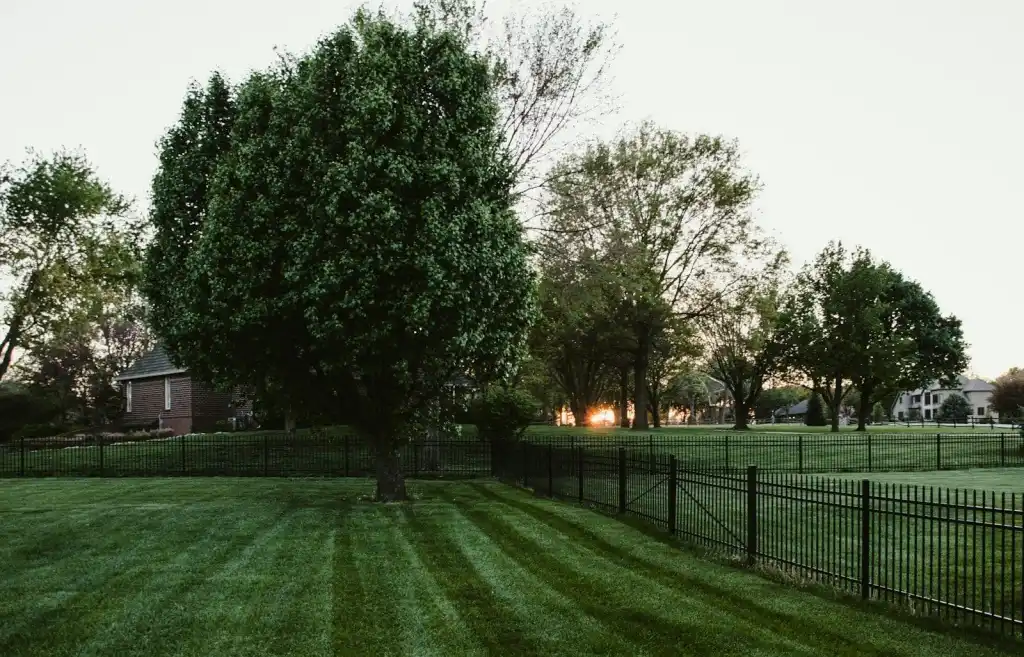
Fall lawn care in Minnesota is largely about timing. Grass growth slows, leaves collect quickly, and a stretch of mild weather can turn into freezing conditions before a homeowner finishes the last yard chores. A manageable plan can keep your property tidy and help you avoid carrying preventable problems into spring.
You do not need to do everything on the same weekend. Instead, pay attention to the condition of the grass, how much debris has accumulated, and the forecast. Here is a practical checklist for the weeks between late summer and the first lasting snow.
1. Keep mowing while the grass is growing
Do not stop mowing simply because the calendar says October. Cool-season grasses common in Minnesota can continue growing during mild fall weather. Continue mowing as needed, but avoid cutting wet or frosty turf.
For most established lawns, a mowing height around 2.5 to 3.5 inches works well through much of the growing season. Follow the needs of your grass type and conditions rather than scalping the lawn for winter. A short final cut is not a reason to remove a large amount of leaf blade at once.
A useful rule is to remove no more than about one-third of the blade in a single mowing. If the lawn has grown tall, lower it gradually over multiple cuts. Sharp mower blades also matter: they make cleaner cuts instead of tearing the grass tips.
If keeping up with growth and seasonal weather is difficult, explore Greenlawn Maintenance’s lawn mowing services.
2. Manage leaves before they form a thick mat
A few scattered leaves are not an emergency. A dense, wet layer that blocks sunlight and holds moisture against the grass is a different story. The best approach depends on how many leaves your trees drop.
Mulch light leaf coverage
When leaves are dry and sparse enough for the mower to chop into small pieces, mulching can be a convenient option. Make several passes if necessary. Afterward, you should still be able to see the grass rather than a blanket of shredded leaves.
Remove heavy accumulations
Rake or collect piles that are too thick to mulch effectively, especially along fences, near shrubs, and in corners where wind deposits debris. Check drainage areas and keep stormwater pathways clear of loose yard waste.
For larger cleanup jobs, the site’s property cleanup services are a useful place to start.
3. Give edges and high-traffic areas attention
Fall cleanup is easier when you work from the edges inward. Clear grass clippings and leaves from sidewalks, driveway borders, and the bases of steps. Remove debris from areas where it could become slippery after rain or freezing temperatures.
Look at routes you use most often: the front walk, mailbox approach, garage entry, and paths to trash containers. Keep them visible and unobstructed before snow makes hidden objects harder to spot.

4. Be careful with wet soil and frost
Fall weather can leave the ground saturated for days. Repeated wheel traffic or heavy equipment on soggy turf may compact soil or leave ruts. If footprints sink noticeably into the ground, postpone unnecessary work until conditions improve.
Frosty grass is also best left alone until it thaws. Walking or mowing across frozen blades can damage delicate plant tissue. This is especially important on shaded parts of a property that thaw later than sunny areas.
5. Check drainage and remove obstacles
Walk the property before the first substantial snowfall. Identify low spots that collect water, blocked downspout outlets, and areas where leaves pile against the foundation. Keep water moving away from buildings where practical, and seek qualified help for persistent drainage problems.
Pick up hoses, toys, small garden decorations, branches, and loose tools. Store movable items that could be damaged or concealed under snow. Mark permanent obstacles near driveways or paths when needed so they remain visible during winter maintenance.
6. Prepare lawn equipment for the off-season
After the final mowing, remove accumulated clippings from the mower deck, following the manufacturer’s safety instructions. Inspect the blade, clean the equipment, and follow the owner’s manual for fuel, battery, and storage procedures. Never handle mower blades without properly disconnecting the power source.
Store rakes, trimmers, and other tools in a dry location. Check snow shovels and other winter equipment before you need them. A quick inspection now is easier than finding a broken handle during the first storm.
7. Plan for snow without damaging the lawn
Before snow arrives, decide where cleared snow can go without blocking sightlines, drains, walkways, or access points. Avoid piling snow where it will repeatedly crush vulnerable shrubs or create meltwater problems near the building.
Keep driveway and walkway boundaries easy to identify. Where snowplows or other equipment operate, markers can help distinguish pavement from turf and landscape beds.
Greenlawn Maintenance also has a dedicated snow removal service page for property owners planning ahead for winter.
8. Know which tasks are optional
Not every lawn needs the same treatment. Aeration, overseeding, fertilization, and weed management depend on turf condition, soil characteristics, timing, and product instructions. Those activities are separate from basic mowing and cleanup; do not assume they are necessary just because a seasonal checklist mentions them.
If you are considering specialized lawn treatments, consult an appropriately qualified provider or local university extension guidance. Avoid applying products to frozen ground, before heavy runoff, or contrary to label directions.
A simple fall schedule
- Early fall: Continue regular mowing, inspect high-traffic areas, and begin removing accumulating debris.
- Mid-fall: Mulch or collect leaves as needed, clean property edges, and watch for prolonged wet conditions.
- Late fall: Complete the last mow when growth has stopped, remove loose obstacles, and prepare equipment for storage.
- Before winter storms: Identify snow storage areas, mark vulnerable edges, and make sure walkways and access routes are clear.
These are flexible stages, not fixed dates. Minnesota weather changes from year to year, and shaded or exposed yards can behave differently even within the same neighborhood.
Common fall lawn care mistakes
Cutting grass extremely short: Scalping weakens turf and exposes soil. Adjust mowing gradually and avoid removing too much growth at once.
Leaving thick leaf piles all winter: A heavy mat can smother patches of grass. Check problem areas after windy days.
Working on saturated ground: Heavy traffic can leave ruts that remain visible in spring. Wait for firmer conditions when possible.
Forgetting the first snow: Hoses, decorations, and other objects become difficult to see once buried. Clear them before the forecast turns.
Finish the season with a manageable yard
Good fall lawn care is not about making the yard perfect. It is about staying ahead of growth and debris, protecting wet or frosty turf, and making the transition into winter easier. A few well-timed visits to the yard can prevent a much bigger cleanup later.
For help with mowing or seasonal property cleanup, contact Greenlawn Maintenance to discuss your property’s needs and confirm service availability.